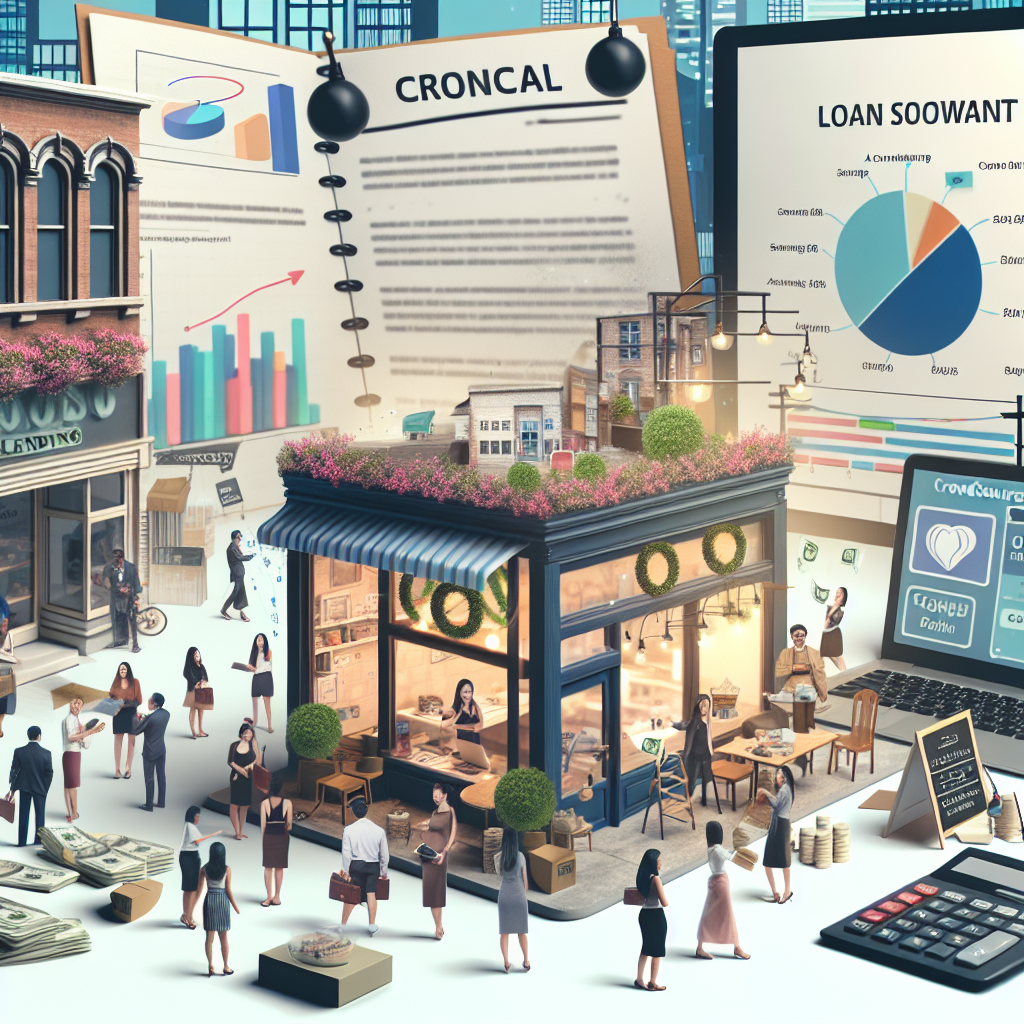
Understanding the Importance of Small Business Financing

The current economic landscape presents unique challenges for small businesses. While these ventures are the lifeblood of the economy, providing jobs and driving economic growth, gaining access to sufficient funds for growth and sustainability has grown increasingly difficult. This is more so in the wake of economic shocks such as the recent pandemic.

Small business financing, therefore, becomes an integral aspect of a venture’s survival and growth. As such, comprehending how it works and the different options available is key to a business's long-term success.

Primarily, small businesses need financing for flexibility. Capital allows businesses to meet operational costs, scale their business, navigate unpredictable periods, and seize opportunities for expansion. This can be achieved through various financing options such as traditional bank loans, venture capital, and even crowd-funding.

At Seitrams Lending, we understand that each business is unique, hence its financial requirements are distinct. Our dedicated team of experts works diligently to provide personalized solutions catered to support your business trajectory, considering different factors like your industry, market conditions, and financial health.

One integral part of our approach at Seitrams Lending is making business financing accessible and less intimidating. We not only make funds available—it's our mission to ensure our clients possess the knowledge and skills necessary to make the best financial decisions for their business.

Remember, the process of obtaining financing might seem daunting, but with the right support and resources, your business can navigate these territories with success. For more information, reach out to the team at Seitrams Lending.

JF Bertrand
Seitrams Lending

Comments

Popular posts from this blog

Adapting to Remote Work: Best Practices for Managing Distributed Teams

The shift to remote work has been one of the most significant transformations in the modern workplace. While this change offers flexibility and potential cost savings, it also presents unique challenges in managing distributed teams. To ensure productivity and maintain a collaborative spirit, businesses need to adapt their management strategies. In this blog post, we’ll explore best practices for effectively managing remote teams, enhancing communication, ensuring productivity, and supporting employee well-being.     Clear Communication Protocols 1. Regular Check-ins: Set up regular check-ins such as daily stand-ups or weekly team meetings. These meetings should not only focus on work progress but also provide a platform for team members to voice concerns and share personal updates, helping maintain a sense of community. 2. Efficient Tools: Utilize efficient communication tools that suit your team’s needs. Options like Slack for instant messaging, Zoom for video calls, and A...

Innovative Marketing Techniques: Leveraging Augmented Reality (AR) and Virtual Reality (VR)

  In the realm of digital marketing, Augmented Reality (AR) and Virtual Reality (VR) are emerging as transformative technologies. These innovative tools offer immersive experiences that can captivate customers, enhance engagement, and differentiate brands in a crowded marketplace. In this blog post, we’ll explore how AR and VR are being used in marketing campaigns, discuss their potential benefits, and provide best practices for integrating these technologies into your marketing strategy.   Understanding AR and VR in Marketing Augmented Reality (AR) overlays digital information onto the real world through devices such as smartphones or AR glasses. It enhances the user's perception of reality by adding digital elements to live views. Virtual Reality (VR) , on the other hand, creates a completely immersive environment that shuts out the physical world, often using VR headsets. Users can interact within a fully digital environment, making it ideal for detailed simulations and ex...

The Evolution of Customer Service: Embracing AI and Automation

  The landscape of customer service is undergoing a significant transformation, driven by advancements in technology. Artificial Intelligence (AI) and automation are at the forefront of this evolution, reshaping how businesses interact with customers, streamline operations, and enhance service delivery. In this blog post, we will explore how AI and automation are revolutionizing customer service, discuss the balance between technology and human interaction, and provide insights into integrating these technologies effectively. The Impact of AI and Automation on Customer Service 1. Enhanced Response Times: AI-powered chatbots and automated response systems can handle customer inquiries instantly, regardless of the time of day. This immediate responsiveness significantly improves customer satisfaction by ensuring that customers feel heard and valued right from their first interaction. 2. Scalability and Efficiency: Automation allows customer service processes to scale during peak ti...